People Win Proposals - Elevating Talent in Competitive Pursuits Webinar
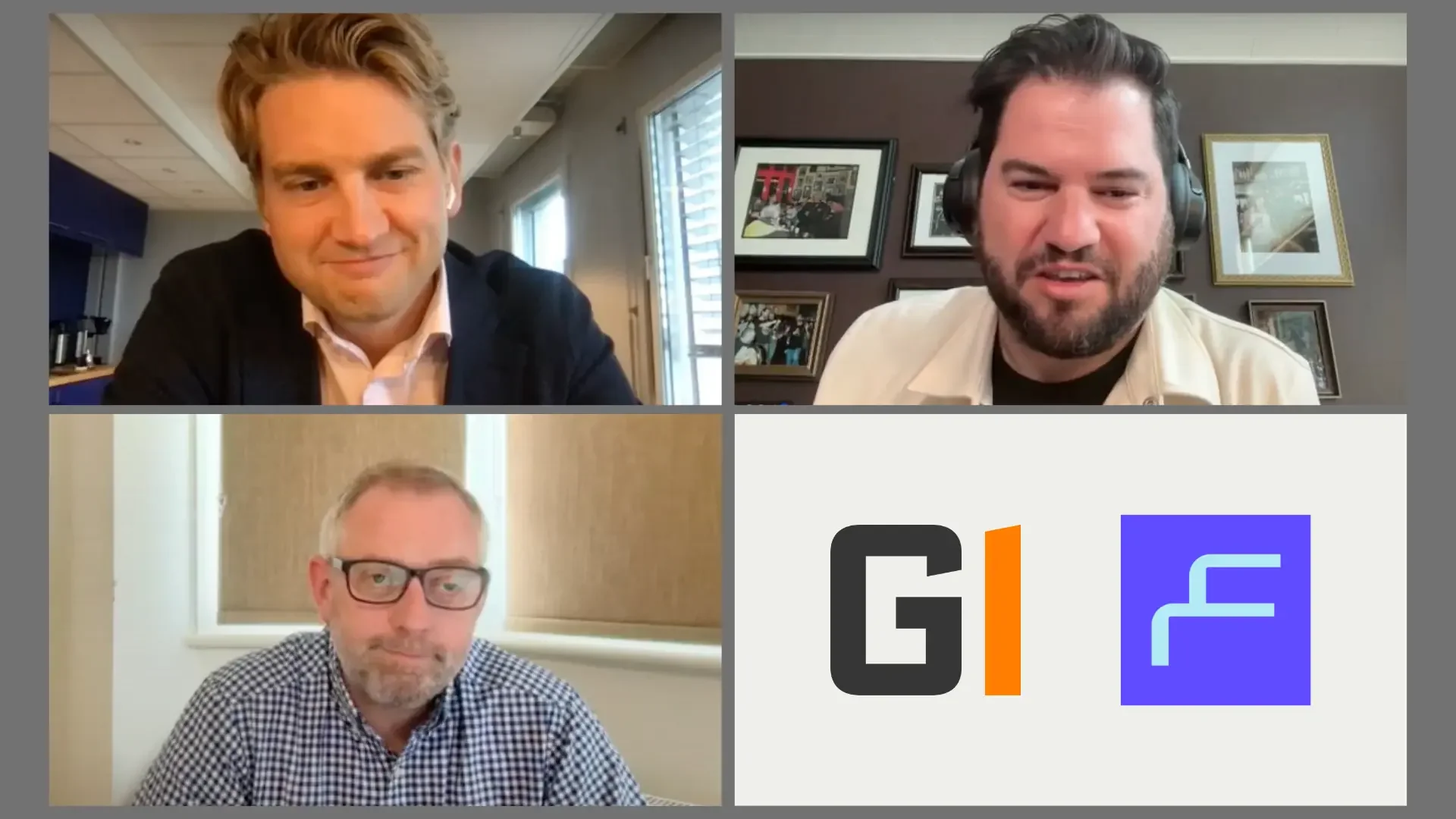
How proposal people win business
I took part in a webinar with the guys at @Flowcase on the role modern proposals functions play in growing businesses.
Watch it back here
Transcript
0:04
Hey everyone, welcome. I think we got some people rolling in, so I'll just give it a second as everybody uh gets in and hopefully this is uh working for everybody on your ends. My name is Miles Depal. I lead the marketing team here at Flowcase. And today we're going to be diving into probably one of the more discussed and honestly more frustrating topics that we've heard from our community at forums like this in some of the events that we've been a part of. Essentially how to win pursuits and bids where people not your process not your pricing can actually make the difference. And that's our topic today. People win proposals.
0:48
So why this topic? Well, I guess from our perspective, you know, proposals are changing fast. I think we're seeing AI is now helping you able to write that perfect bid. Pricing is something you don't really necessarily want to differentiate on.
1:00
So, what it actually sets firms apart is your credibility, your reputation of the team that you're actually putting forward and that's what we want to talk about today.
1:11
So, how to uncover like what's broken in the systems today, spotlighting maybe what winning teams are doing differently. Um, and then sharing some practical ways to showcase your people in a way that truly wins the work. Um, but I wanted to bring on two people that actually can tell the story way better than I can. So, uh, first off is Jeremy Brim.
1:29
Jeremy is an accomplished leader in the bid and proposal strategy industry. decades of experience uh leading large complex bids across multiple different industries. His consultancy growth ignition is about making the bid process improvement process practical and repeatable. Highly active on LinkedIn. I think has his own podcast that Erling here has been a part of as well. So definitely check him out on LinkedIn uh to continue to learn from him. I know we definitely all will. And then of course joining us as well is Flow Cases CEO Erling who spents well over a decade working with professional service firms of all sizes, all shapes um to optimise their bid process and in particular helping them put people at the front and the start of their uh winning bids.
2:15
So yeah, thanks for for all that. Hopefully with all that out of the way, I'll let you guys do most of the chatting here. But um I kind of wanted to start with a bit of that look back and a bit of an audit of how things exist today. Uh so Jeremy, I'll throw it to you. In the past, you and I, we've kind of spoken about some of the immaturity in Bit Teams today. Uh and I guess I'm curious like what are some of the systems and practices that you see in place in Bid Teams that you see as broken that is a bit immature that you're starting to uh consult some teams to get over?
2:48
Um, so it's a it's a vast question. There's lots of things, but we can pick some of the the highlights, I guess. I mean, as many of us that have grown up in bids of proposals team could um attest actually um bidding is just the endgame um in in winning work. And I don't say that lightly. We we have to be um very proficient, excellent in putting that ball in the net in the end game of bidding. Um but in reality much of clients decision- makingaking processes around who they want to work with have been made emotionally certainly far before the RFP is ever released. Um and sadly most businesses don't recognize that.
3:36
So there's a there's a fault in leadership. It's it's been quite interesting recently actually. I'm getting pulled on more these days for training the sea suite in how to grow their B2B B2G business and make good decisions and strategy. Um, as much as I am teaching people to write bids, you know, I mean just as a sort of reference point in the UK, I know we've got people all around the world, but just for reference in the UK as a marker, 500 people a month search for bid writing training as a term on Google. um only 50 people a month search for capture management sort of next phase up the funnel at all. Um and so that tells you a story in itself about where people are putting the heat and light perhaps in the wrong places. Um because I probably train a thousand people a year in bid writing train you know training stuff but I have to break it to them that their ability to write great bids is only 20% of the problem when it comes to winning deals. um much of the action needs to happen further up the funnel.
4:34
So I guess point point number one is it's recognizing that bidding is towards the end of the funnel. you've got business planning, marketing to a point, but certainly key account management of your key accounts, capture of your key pursuits, um you know, more than a year before tender. And and actually, ideally, I'd much prefer that bid teams uh were involved in writing proactive proposals and negotiation proposals to clients to secure business one of one than be involved in a competitive tender. Competitive tendering is extremely expensive. It's the the last thing you want to do actually. Um we should use our keen minds of our proposals teams further up the funnel and to to negotiate deals that are more profitable and create greater value for clients really.
5:22
So I guess point number one what we'll probably end up referencing a few times today is there's there's an immaturity in what happens before bidding during and then kind of after. Um and so that's the that's the before bit. Um I think during um we should certainly be looking to focus on uh the solution and our people.
5:45
So there's um a lot of heartache goes into writing great bids that are actually focused on a commoditised or fairly standard solution.
5:57
Whereas actually you win deals by being the most valuable to the client in things that they value.
6:03
And so f focusing on if you relentlessly focus on being the most valuable supplier or partner to the end client um everything else follows really. And so there's that lack of focus on how are we actually going to create the most value for the client that they value. Um, and then how our people credentialize that, bring that story to life because it's ultimately the people, your structured chart, your CVs, your story, and how those people are going to go to work with the client is um is how we really convince them because the other element alongside value is trust. Um, and so a lack of focus or being able to bring forward trust I think is important.
6:48
Amazing. Yeah. And I guess Erling, I'd be curious if you if you just have thoughts on that that last piece like I think a lot of companies are yeah stuck in that as you said Jeremy that commodification phase like they're kind of a lot of the bids are looking similar and I think I'm curious how customers that that you work with Erling are able to really build trust build that that credibility um in a more nuanced way with in a lot of the bids once they actually are a part of that process.
7:15
Yeah. No, I would say both of those points resonate with uh with me a lot. Uh so yeah just uh actually going to your first point there Jeremy is like I've always admired the uh bid and proposal people for you know h having to have this like detailed knowledge of basically on the entire business like from the inner workings to the insurance they have to the you know all the people and and financials and everything and but but I think they're often to your point they're they're getting in potentially too late and they're not not armed with data and and and kind of insights they they need. So So we're we're obviously seeing that in that, you know, they they they might want to, you know, showcase their people, making sure that their reputation and credibility credibility shines through and and that their clients can actually see that, you know, the people that are putting forward are actually relevant. they've worked with this client before, work with similar things and they've bu delivered similar value in the past, but but what they're typically getting is is a is a
8:18
SharePoint folder with like Jane and Kevin's resume from, you know, updated 24 months ago. So, so I think that's what we're trying to to change like you actually arming arming these bit and proposal people with with up to-ate data and actually trying to help them get a bit ahead. So, u yeah, no, I think that definitely resonates with me and yeah, once once AI is making some companies obviously being able to do a lot. It's still, you know, what actually stands out there? What what is your competitive advantage on the to your point? I think that the people and your reputation.
8:56
Yeah, absolutely. I think um up up the funnel in terms of the business plan or targeting of of key pursuits at least getting ahead of that obviously in the capture phase we'd love to socialize our teams with clients people um but the first things first you need to understand what capability and experience you've got in the business right obviously your tools can help
9:21
people out with this stuff but you need to because some of these businesses can be really big I can see some people on the call that are in massive organizations and as wonderful as bidding people are and how sort of
9:32
elephantlike our memories are, there's only so much ground we can cover in terms of people's skills and competencies that we can bring to bear and experience in particular. I mean, I've I've got a client at the moment, a 1.2 billion turnover building contractor that wants to enter new markets or in
9:49
fact in the UK, the world's going to change a bit with where the government spends its money. it's going to be a lot less localized, a lot more national programs, and so they've got to figure out who have they got who's got experience in defense um across thousands of people um and it's not that easy to do that overnight.
10:07
And so get getting ahead of that, understanding your capabilities and indeed your case studies or proof points um you know we can be a much much more convincing in capture um if we understand where we've delivered value for similar clients before and the little lessons learned that we can
10:25
deploy in those conversations. Um and then obviously into the bid phase. um how how we do that through the case studies that they ask for all or evidence that we seed through the bid um trying to do all of that in a live bid is quite challenging. You're we're much better off if we can get ahead of these
10:44
deals, do our research on what our experience was. Obviously perhaps using AI these days to do that. Um, but it's getting ahead of that is going to really help you differentiate and being pinpoint in the stuff that clients will value because I know clients, you know, we're seeing many bids that are very similar in some less mature markets.
11:05
We've got people just obviously using chat GTP um and all of that kind of game. And so there there's we're already seeing clients asking if you've used AI platforms, what you've used them for um and are starting to move away from just relying on the bid itself and looking at other interactions as we'll come on to.
11:25
So those are much more enabled if we've got the right people, right competencies and evidence to back it. import that and uh yeah taking that time between the bids to to to hopefully prepare a bit and and getting ahead so that you have have the data ready.
11:44
Absolutely. Amazing. Yeah. And I think so maybe move on to kind of the the some of the meat of the topic is what winning teams are doing differently. So, um I'm sure kind of what some of the challenges that we talked about now resonates with the audience, but kind of looking ahead to how to do it differently, how to when
12:05
how to be a bit more effective and yeah, we're we're launching a couple polls throughout this. Thanks for participating here. Um but thinking about like, you know, how where people are losing time in the whole bid process, trying to think about how to improve that. Uh so, Jeremy, we we've talked about maybe some of the 10 poles to successful bidding. um and maybe
12:23
starting from that high level strategic perspective and um identifying like uh spending a bit more time on where I guess again on that strategic piece of bids. I'm curious about how you think about some of those 10 poles, those key parts of successful bids that you'd recommend teams need to be thinking
12:41
about differently. Yeah. And there's there's a few things that AI of different types can enable with this. And so um I think first of all what what I'm doing that that big building contractor I'm working with for instance right at the top of the funnel in terms of um addressable market we're helping them do a market research piece to understand where all of the money is going to be with who in their chosen
13:06
markets and then then we're washing that through a couple of lenses. We're washing it through a perfect client lens. So when they look back over the last five years at the clients they've been working with, which ones do they make money with and which ones don't they make money with, which ones do their cl their people enjoy working with and their people's well-being is better? Um, and which ones have the higher client satisfaction. If you sort of do look at that vin diagram, you'll find a sweet spot of the clients that are kind of the future DNA type for the business and you'll realize you need to deselect clients. And classically, there's some obvious trends you'll see often. Uh the
13:47
clients where you make the most money are the ones that engage you early, um that your people enjoy working with and where the work is in the sweet spot of geography and sophistication or complexity. Um so don't stretch the business outside its comfort zone. So you'd also the second lens we'd wash that data through um is contract sweet spot.
14:15
So size, complexity, geography, type, what we've got experience for, credentials for which again we can use our systems for. So um the there's some work to do there for targeting that's outside the remit of the bid function and that's bit of a pipe dream for most bid functions probably 80% the top 20%
14:28
performers if hand on heart I say to chief execs all the time put the bids and proposals function at the heart of your winning work um funnel uh and use them up the funnel because our our bids and proposals people are the best possible project managers of winning deals. You know, we're just normally only given four weeks or two weeks or
14:50
something. Imagine what we could do if you gave us a year to get ahead of an opportunity and really understand clients and really build propositions and test them with them. We're we're absolutely equipped to facilitate capture. We might not be front and center with clients. Some might, but we're we're the best for facilitating
15:08
capture of those those key deals. So but for many organizations you'll have leadership that aren't that mature because again no one teaches your seuite about how to grow a business. Many are ops people that have gone up through the business. And so how do we assert some influence with those people who don't
15:26
get it if you're unlucky enough to be in one of those businesses. So what I say to people often is collect data on your bid decisions why you bid something. So run proper qualification. Obviously, it's a fairly basic step that hopefully most people do these days, but then also track data on why you won or lost opportunities. Hopefully, you can get feedback from
15:49
clients or drive for that. Um, and you'll probably begin to see some themes and just in terms of influence back with your leaders, just play those themes back to them. Report back to them over time, these are the reasons why we're losing deals or winning deals. and turn the volume up on why you're winning them and deal with the issues while you're
16:08
losing them. Seems like common sense, but almost no one does that. Um, but if you can play to the business what those themes are, they can't you can't help but grab their attention. And there's work for us to do as bidding professionals in growing our influence in business, using live bids to make friends and support senior people,
16:27
offering to do a bit more. You know, I saw something with a video of President Obama the other day talking about he wants people to offer to help to take that task away to make that thing happen. That's what bids and proposals
16:40
people are all about. You know, go and build influence with more senior people. You and you do you do end up seeing some senior bidding people end up being chief of staff of some of the big management consulting firms and things like that
16:53
out the back of that. Um, and so yeah, I think there's there's something in trying to stem the tide of the of the pipeline through through a reasonable funnel, make good decisions about what we pursue and what we ultimately bid.
17:06
Um, and then in in the bidding phase, making sure that we've influenced to get the right solution efforts put into that and the right people engaged um and in the bid so that we we raise our chances to win. We we don't want the people who are free on our live bids. Um we want the best athletes the business can give us in our teams and we all know as bidding professionals when we've got
17:30
those people and when we haven't. Um and so just try and get ahead of deals that are coming at you in the pipeline and just raise it with the business. You know, wouldn't it be great if we got that team on this? Um so you you try and optimise the the team you're going to end up bidding with. Try and make your bids a self-fulfilling prophecy really.
17:53
Yeah, I think that's in particular, Erling. Yeah. No, I I think I think uh you know, on the topic of sort of getting ahead, I've obviously seen now, you know, four 500 times with the the companies that we worked with that, you know, doing things, you know, slight slightly differently, uh can help you get ahead.
18:13
And I think that's kind of what what, you know, sometimes separates these uh these winning teams. um from the others that they are a bit open to okay we've we've been doing this for in a certain way for five years but you know maybe maybe actually there is a better way and and you know being a bit open to to exploring that I think I think that's
18:34
like a key key sort of trait uh to to to those teams that curiosity and yeah being a bit open to to to doing things in a different way
18:47
Yeah, I'm I'm looking at the poll right now too and uh so we're we're asking basically, you know, where is some of the inefficiencies in the process? Where does your team lose most time? Uh a couple at the top here, but one that stood out to me was customizing content for each client. So just that that tailoring process. Um and I think you
19:06
touched on it a bit, Jeremy, around like AI plays a role in that, like making sure you we have our own AI model that can uh produce the content. I guess I'm curious about how you are seeing teams and maybe I'll start with you Erling especially with like some of our flowcase users how they are able to tailor the the proposals a bit more
19:26
effectively um by having that layer of like the people the past projects the case studies figured out so that they can apply that logic into the um the bid that's that they're working on today a lot more efficiently and hopefully save save time in that whole process.
19:43
Yeah. Yeah. No, I think what we've uh what we uh we've seen and also our our uh thoughts on this is that you know AI can do amazing things but but in order to have it do that you need that you need a data uh you know first. So, so we're focusing a lot on capturing this data and instead of I guess storing data just in like stale documents, we're
20:08
breaking it down into more like modular parts so that they can actually then be successfully assembled and and matched towards requirements basically by AI.
20:19
So, I think there's like lots of um exciting things you can do. there's uh they can work a lot more efficiently, but but we also have to make sure that they have have the right data and the right structure and it's up to date to make this work when you see these results Jeremy. So, just the two bottlenecks here are customizing content for each uh client
20:41
and chasing internal contributors for input the bottlenecks. I'm curious if you've seen ways of reducing that or if that's just kind of part of life for bits and proposal managers. Um,
20:55
yeah. So, so there's there's kind of symptoms and diseases or symptoms and causes in this because we're mixing our drinks a little bit. So, some some of that is, you know, AI can help you. Uh, but some of that is just good proactive bid management. Um and so if if you are uh influencing touching base, well f
21:16
first of all, if you're helping the business select the right people to work on bids who have the right behaviors, you'll get a better outcome. So that'll eradicate some of the having to chase uh contributors because the contributors
21:29
have some skin in the game and be excited about the deal and know what it means for their bit of the business and they're responsive. And so that helps treat that symptom by you know eradicating the disease in the first place. Um and then I guess that you know how in
21:46
terms of content likewise obviously AI is really very useful for plugging data into obvious questions. Um but many of the people I can see on this call are working in businesses that have quite complex solutions and those solutions may well be bespoke to
22:04
specific clients. And so you very happy for people to use AI to get them down the road on questions they get asked all the time that are standard on quality management or information security or
22:15
whatever it is. But when it comes to your logistics plan, your program, your project management methodology for this particular project with these challenges, you've got to be much more I
22:27
think you've got to storyboard those responses effectively as I would always say as a bidw writing teacher. um you know, we've got to break those questions down effectively and the scoring criteria effectively and storyboard
22:39
those responses, not just taking into account what we've written in previous bids or what we've got in the bid content library or hero content. Um but also, you know, the the quality management system of the business should tell you how it goes to work. And so you
22:55
could point an internal AI at some of that to help pull that through for you. Um but certainly we we still it still comes down to getting your subject matter experts, your contributors on a call or sat down and just thinking through how are we going to build this job or deliver this service what's our
23:14
approach because it may well be quite bespoke require different things but so there's there's you can use AI to support some of that pulling through content but I still say to people unfortunately you've got to read the whole ITT end to end You can stick it in co-pilot or whatever and get a summary, but it doesn't know what it's looking at sometimes in terms of industry specifics, jargon, particular situations. Um, and you know, you know what clients are like, they can bury requirements at
23:44
the back of a specification or something or you know, and it can hallucinate in all sorts. So, it's getting better and better. I mean, I've noticed I I take a look at the AI game every three months because I've only got time to do that. I can't keep up to pace with what's going on. So I tend to do a deep dive in the school holidays when I'm quieter in the
24:01
training business. And it is stark actually the jump that's happened in the last three months even just with co-pilot. It's the quality of stuff is getting better and better and I'm sure in the gang systems get jump making quantum leaps all the time too. Um but I'm af I'm afraid you're still going to have to read everything and you're because it's your job. Um, and you're still going to have to do the work with people to create the most valuable
24:26
solutions because it's their job to do that. Um, and that's how you win deals. Because, you know, I I was telling the guys on a prep call for this, I'm a non-exec for a project management business who put out a job advert for a middle level, you know, probably a 70 80k a year project manager in the UK in London. Um, and they had 200
24:47
applications and 185 of them had basically the same cover letter because they're all chat GTP. Um, and there's an argument, well, if you got to submit to
24:57
hundreds of jobs to find a job these days, then you're going to have to automate it, but we looked at the 15 first. Um, and half of those were obviously rubbish, but um, you know, the ones that
25:09
are a bit different. So, client, the same's going to be happening with tendering. you're going to particularly in less mature markets where people are just using chat GTP not realizing that it puts their IP on the internet which
25:21
is a bit silly. um you you're going to get the same clients are going to get basically the same stuff. And so we're seeing them starting to ask, as I alluded to, they're starting to ask for meetings before bids come out. They're starting to ask for mid bid meetings where they can test your solution with you almost sort of like competitive
25:39
dialogues. Um and they're asking for more post-tender interviews because they want to test that you really wrote it or you really understand it. um because that's what they're buying is that team of people and their ability to deliver that solution. Um they can't risk that you know your systems have pulled
25:58
something together from a previous bid or whatever and it's not what they're really going to get or the team don't really have the capability to do it. So they're they're constantly going to push and find ways to challenge you outside of the bid you actually submit. I think I think it's interesting how we also yeah come back to the the people and the actual people that will be on the project and and their credibility and the reputation and yeah it resonated me with me earlier when you you know how
26:27
do you find those people I hear stories from you know clients before they become flowcase users of you know finding pe finding those people with you know certain expertise is like yeah screaming into the void you send an email into some department somewhere and you hope for an answer and it, you know, comes
26:45
back three weeks later when the bid is delivered, right? So, it's it's, you know, knowing those people, having that expertise on hand and being able to find them quickly, I think, can be key. And that that requires getting a bit ahead, not scrambling last minute, as you said. So, I mean, I mean, really, no offense,
27:02
guys, but ideally, we would have socialized our people with the client's people during capture way before the RFP ever comes out. So when the bid actually
27:12
lands, the client opens it and just flicks through the CVS and doesn't read them at all because they already know and trust the people and you've got top marks. Um, that's where I want to be. I I when I teach bid writing stuff,
27:24
particularly of CVs, I I tell people I want them to be the most beautifully crafted CVs that nobody ever reads because we've already won. Um, so the system can help you find those people. That's that's magic.
27:40
I didn't want to cut you guys off there, but so we just launched kind of that final poll because that that subject is definitely something we're obviously very interested in. Um, and so yeah, very curious about how how people are feeling about their ability to, you
27:52
know, showcase and use their their CVs, their resumes. Um, and certainly kind of a a love area to improve there. Um, I know we're coming up on on time here, so maybe I'll give Jeremy, you the the last word. um bit more of a you know forward looking I'm curious about kind of what you're looking forward to over the next like six months a year like the what's
28:15
coming for this industry what are you kind of paying attention to uh when you do have that time off to maybe do some of the research that you're talking about is there like any trends that you think we should all be paying attention to and maybe potentially topics for us to explore in future conversations yeah I mean I think the the whole use
28:33
case for for different bits of AI through the whole bid life cycle really is becoming fascinating and um how it can crunch the numbers data and themes for you. So whether whether that is in capture using AI to help you with your research and sort of joining the dots on
28:51
what clients are up to and the pace in that um that's fascinating. I think how you use AI in bid qualification pulling through data from previous bids that
29:02
we've won and lost to help make informed decisions is going to be a really interesting forefront um in how people do that. Um, and then how we build value propositions um to clients and wordsmith win themes
29:16
and all of that kind of stuff is is going to be quite interesting. Ob obviously there's the stuff that's already well and truly in flight around how it helps you build content and how it makes bid teams faster. You know, I put a message out I think on LinkedIn
29:29
the last week or the week before for senior people. That doesn't mean that we need less bid people though. um we're going to make all of these people super efficient with these sidearms, these different bots or whatever, but um
29:43
actually you're going to need these wonderful bidding and proposal pros up the funnel in capture and preparing people for those meetings where we're going to have to pitch that solution. And the solution development stuff
29:55
doesn't go away. The storyboarding stuff doesn't go away. we might be faster, more proficient, more accurate. Um, but and it's it's only ever going to get more and more competitive basically. Um,
30:07
and so there there's a I think there's a bit of a focus on how we use AI and its use cases, but we mustn't lose sight of the fact that the most valuable solution will probably win in whatever the client values. Whether that's cheaper input
30:21
price, better outturn in terms of opex, whether it's saving them time, whether it's carbon, social value, how, however you create more value for clients, that's what will win you deals. But ideally, we can flop them that in the capture stage and just negotiate it with them. Yeah.
30:39
Yeah. And I love that theme we've been talking about, just getting that the bid proposal team, getting them involved in the process earlier. And one of the comments here from Chris just mentioning that how how that team really just is the voice of the customer in many ways and they they really understands the buyer more than anybody. So why why delay it? I think that's a really good
30:57
point. Um I think with that we're gonna call it. This 30 minutes flew by quickly here. So thank you so much Jeremy. Thank you Arling for for your insights. Um to everybody on the call, thank you so much for joining. We will be sending out recordings and we'll have some snippets and things like that as well. uh we are learning how to run these types of sessions. So please if you have any feedback just hit reply uh let us know.
31:20
Um but hopefully we can keep these going and and keep uh offering some valuable insights like Jeremy was able to provide today. So thank you both and thank you everybody. Have a great day. Thank you. Thank you everyone. Thanks everyone.